Stay informed with Decarbonator® News. Get the latest trends, insights, and innovations in commercial kitchen cleaning and see the Decarbonator® difference.
Article
Warewashing Expenses Exposed: How to Reduce Costs in Your Kitchen
22 May 2025
Understanding Warewashing Expenses
Warewashing is an essential but costly operation in foodservice establishments. The key components of these costs include:
Labor Costs
Labor is the largest warewashing expense, comprising 53% of total operational costs.
Rising Wages and Increased Expenses
In 2007, the federal minimum wage was $5.85 per hour.
In 2009, it increased to $7.25 per hour.
In 2024, many states have implemented minimum wages above $15 per hour.
Rising Wages and Increased Expenses
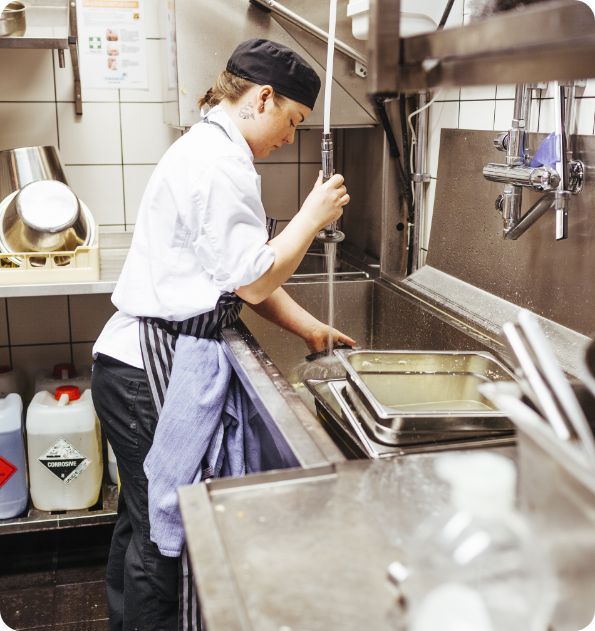
3-Compartment Sink: Labor-intensive, requiring at least one employee for 2+ hours per meal period. Average cost: $50/day.
Dishwasher: Less labor-intensive than a sink, but still requires loading and unloading.
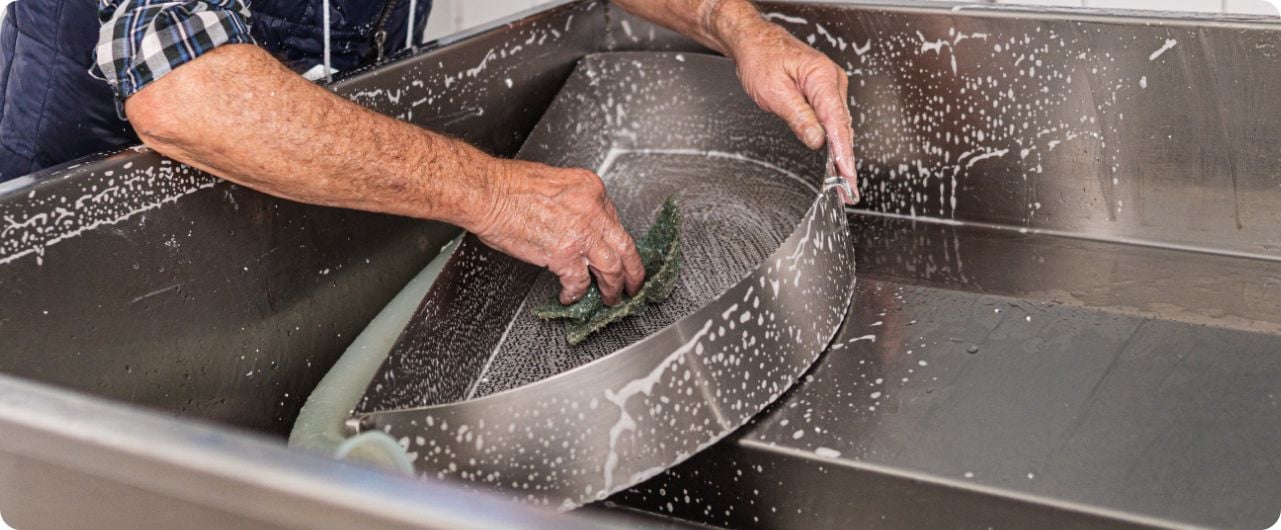
Decarbonator®: Items soak without manual scrubbing, reducing labor costs to less than $5/day.
Real-Life Savings Example
Le Chef Bakery installed an 85GAL Decarbonator®, freeing up two employees and saving over $42,000 annually in labor costs.
Water and Utility Costs
Water costs make up 23% of warewashing operational costs, with utilities contributing an additional 18%.
Decarbonator®: Uses less than 2 gallons/day, costing only $0.31/day.
Utility Costs and Sustainability
Decarbonator® energy costs are $1.57/day and maintain water at 185°F for continuous sanitization.
Consumables and Ware Replacement
Frequent scrubbing in a 3-Compartment Sink or Dishwasher leads to wear and tear on pans and utensils, increasing replacement costs. The Decarbonator® eliminates excessive scrubbing, preserving cookware.
The Bigger Picture: Indirect Costs
Improper sanitization can lead to foodborne illness outbreaks, costing businesses an average of $75,000 per incident. The Decarbonator® maintains a constant 185°F temperature, ensuring full sanitization and compliance with health codes.
The Decarbonator® is the Smarter Choice
Switching to a Decarbonator® reduces labor, water, chemical, and utility costs, potentially saving between $18,000 and $39,840 per year. For foodservice operators looking to streamline operations and maximize profitability, the Decarbonator® is a game-changer.
The Decarbonator® can revolutionize your warewashing process.