Stay informed with Decarbonator® News. Get the latest trends, insights, and innovations in commercial kitchen cleaning and see the Decarbonator® difference.
Article
Cutting Water & Energy Waste in Commercial Kitchens
16 April 2024
The Challenge of Water Waste
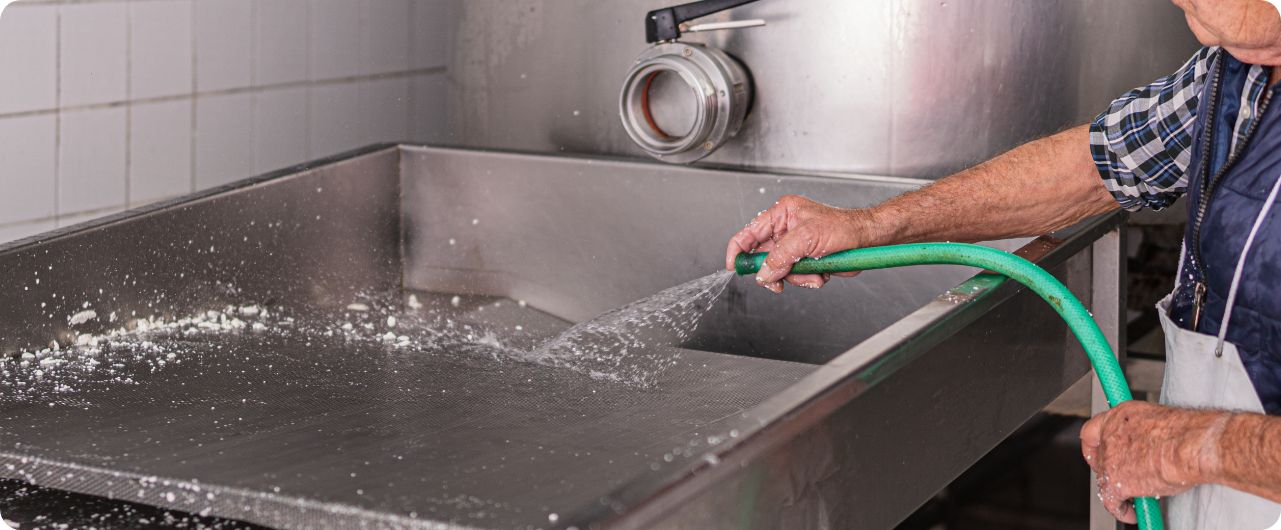
Water is a fundamental resource in commercial kitchens, used for everything from food prep to sanitation. Yet, an average kitchen consumes over 12,500 liters daily, placing immense strain on water resources and increasing energy costs for heating. Research from the Journal of Cleaner Production highlights the urgent need for better water management strategies to combat excessive waste.
The Energy Drain in Commercial Kitchens
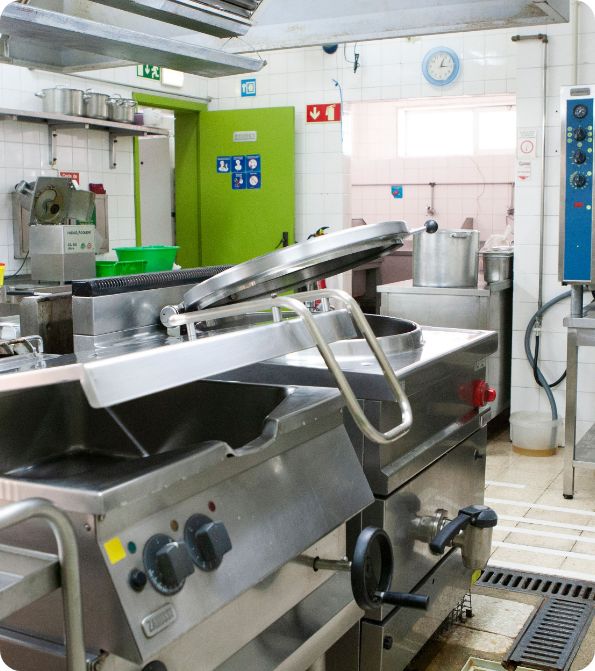
Commercial kitchens are among the most energy-intensive environments. With stoves, ovens, fryers, and dishwashers running constantly, energy consumption skyrockets. Inefficient equipment and poor maintenance further drive up costs and environmental harm. Studies in the Journal of Green Building emphasize the need for energy-efficient solutions to curb this waste
The Water-Energy Nexus
Water and energy waste are closely linked. Heating excessive amounts of water wastes energy, while water leaks and inefficient use contribute to increased demand for heating. Addressing both issues together is crucial for an effective sustainability strategy.
Solutions for a More Sustainable Kitchen
Efficient Equipment & Maintenance
Investing in energy-efficient appliances reduces overall energy use.
Regular maintenance ensures equipment operates at peak efficiency.
Water-Conserving Practices
Installing low-flow faucets and water-efficient dishwashers drastically cuts water use.
Training staff in water-saving techniques improves conservation efforts.
Heat Recovery Systems
Capturing waste heat from cooking appliances can be repurposed for water heating, reducing energy consumption.
Staff Training & Sustainability Culture
Educating kitchen staff on sustainable practices ensures lasting change.
Encouraging efficient water and energy use lowers operational costs.
Embracing Innovation for Sustainability
Reducing water and energy waste isn’t just about cutting costs—it’s about building a sustainable future. One innovative solution leading the charge is the Decarbonator®.
The Decarbonator®: A Game-Changer in Kitchen Efficiency
This heated soak tank system revolutionizes commercial kitchen cleaning by:
Reducing water and chemical usage
Eliminating carbon buildup & grease efficiently
Extending the lifespan of kitchen equipment
Lowering energy consumption compared to traditional cleaning methods
By adopting eco-friendly technologies like the Decarbonator®, commercial kitchens can reduce their environmental impact, enhance operational efficiency, and achieve long-term cost savings.
Upgrade your Kitchen’s Efficiency
Discover How the Decarbonator® Saves Water & Energy!