Stay informed with Decarbonator® News. Get the latest trends, insights, and innovations in commercial kitchen cleaning and see the Decarbonator® difference.
Article
Labor Shortages & Omicron Are Changing Restaurant Operations
22 January 2022
How Major Chains Are Adjusting to Labor Shortages
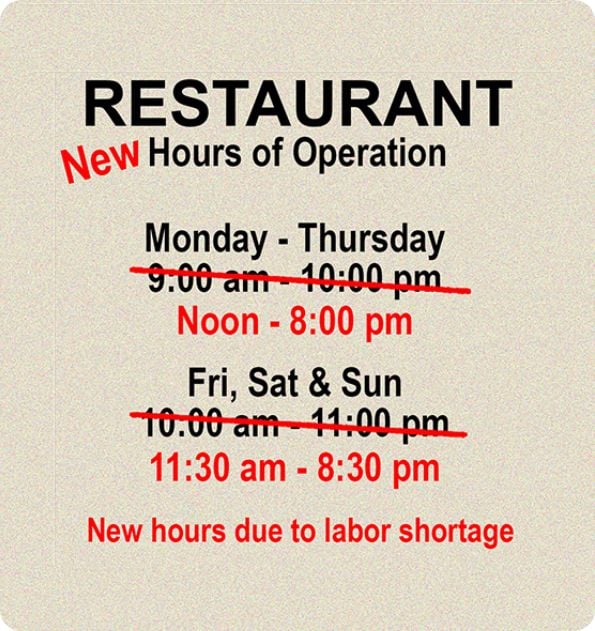
Surging cases of the Omicron variant and continued labor shortages are forcing major chains to adjust their operations. McDonald’s, Starbucks, Del Taco, Chipotle, and Shake Shack are among the many restaurants reducing their hours and services.
On average, store hours have been cut by 10-15%, but reductions vary by location. While this helps control labor costs, the long-term impact on revenue and customer behavior remains uncertain.
Rising Costs and Inflation Impacting the Industry
Minimum wage increases and inflation are putting further strain on restaurant operations. Labor costs have risen, and while some expenses have been passed on to customers, price sensitivity is growing.
Reducing operating hours may help control expenses, but the hospitality industry is still struggling. These changes aren’t voluntary—they are necessary adaptations to an ongoing labor crisis.
Restaurant Industry Needs Support & Creative Solutions
The hospitality and food service industry is on the frontlines of pandemic-related challenges, and support is crucial. Associations, local governments, and industry leaders must find innovative ways to help struggling restaurants.
One such initiative is Restaurant Week, $20.22, organized by the California Restaurant Association (CRA) Fresno Chapter from January 21-30, 2022. This 10-day event promotes local dining with all offers priced at $20.22.
Falina Marihart, a CRA Fresno Chapter Board Member from 13 Prime Steak, initiated this campaign to help restaurants gain exposure during the slow January season. She emphasized that labor shortages have led to necessary wage increases and additional staff incentives to improve retention.
With labor shortages continuing to affect restaurants, efficiency is key. The Decarbonator® helps reduce labor costs and improves employee morale by eliminating one of the most dreaded tasks in the kitchen—deep cleaning cookware and kitchen equipment.
Boost your Bottom Line
And see how the Decarbonator® can support your restaurant’s efficiency and staff retention.