

Understanding the biggest players in the restaurant industry is essential when considering the impact of sustainable practices. The top 10 chain restaurants in the U.S. by sales, according to Food & Wine, are:
These brands have become household names, recognized for their convenience, consistency, and efficiency. However, they also generate significant energy consumption, water waste, and environmental impact, making them prime candidates for sustainable improvements.
Fast food chains rely on energy-intensive kitchens and water-heavy cleaning methods, contributing to their large environmental footprint. The Decarbonator® offers a solution to these challenges by improving efficiency and reducing waste.
Key Benefits of the Decarbonator®:
By implementing sustainable cleaning technologies, these chains can take a step toward eco-friendly practices while cutting operational costs.

Sustainability isn’t just about the environment—it’s also about reducing operational expenses. The Decarbonator® helps fast food chains lower labor costs in several ways:
By investing in efficiency tools like the Decarbonator®, restaurants can reallocate labor, reduce turnover, and enhance overall operations.
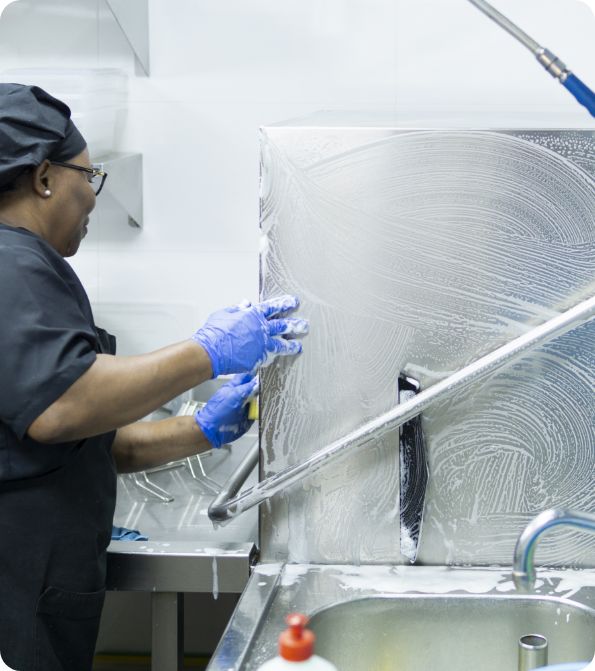
The impact of switching to the Decarbonator® on a national scale is staggering. If all 14,300 McDonald’s locations in the U.S. switched from traditional dishwashers (800 gallons/day) to the **Decarbonator® (42 gallons/day), they could save approximately:
If replacing 3-compartment sinks (960 gallons/day) instead, savings would increase to:
These savings highlight the financial and environmental benefits of adopting more efficient kitchen technology.
As consumers demand more eco-conscious practices, restaurant chains must adapt to remain competitive. The Decarbonator® provides a practical, cost-saving solution that benefits both businesses and the planet.
By integrating the Decarbonator®, the top 10 chain restaurants can take a step toward sustainability, efficiency, and long-term success.