
Hood filters play a critical role in maintaining a safe and efficient commercial kitchen. They help prevent fire hazards, improve air quality, and support overall hygiene. Keeping them clean should be a top priority for restaurant owners and kitchen staff.
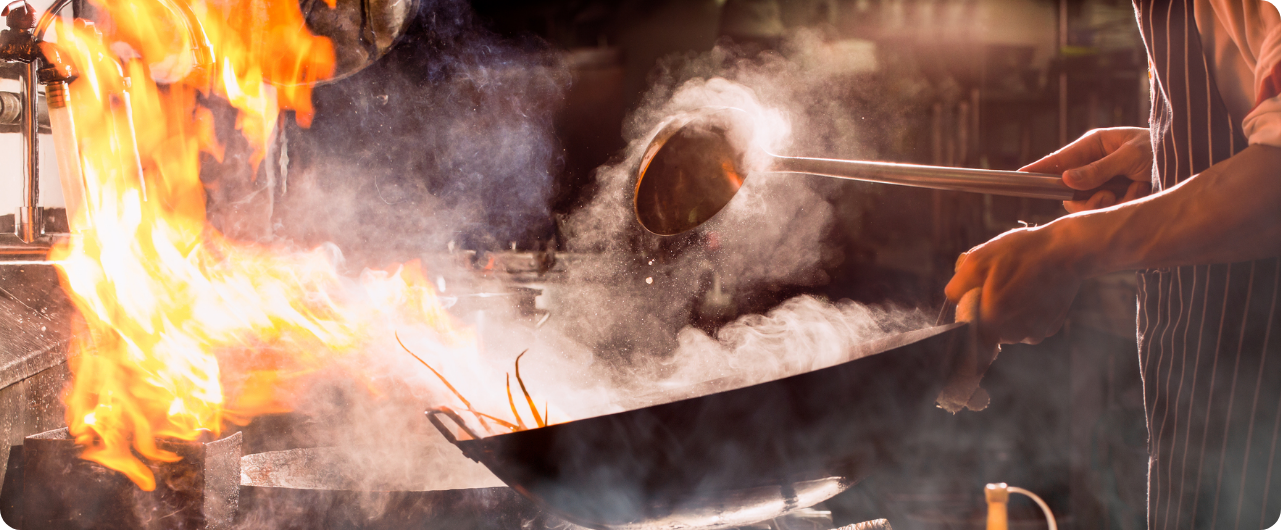
One of the biggest risks in a commercial kitchen is grease accumulation. As cooking releases grease, smoke, and airborne particles, hood filters trap these contaminants. If not cleaned regularly, grease buildup becomes highly flammable, increasing the risk of dangerous kitchen fires. Regular maintenance of hood filters helps minimize this fire hazard and keeps your establishment safe.
Clean hood filters contribute to better indoor air quality by improving airflow and reducing smoke and odors. Clogged filters hinder ventilation, leading to an uncomfortable and potentially hazardous environment for kitchen staff. Poor air quality can also impact the dining experience, as customers may notice lingering odors.
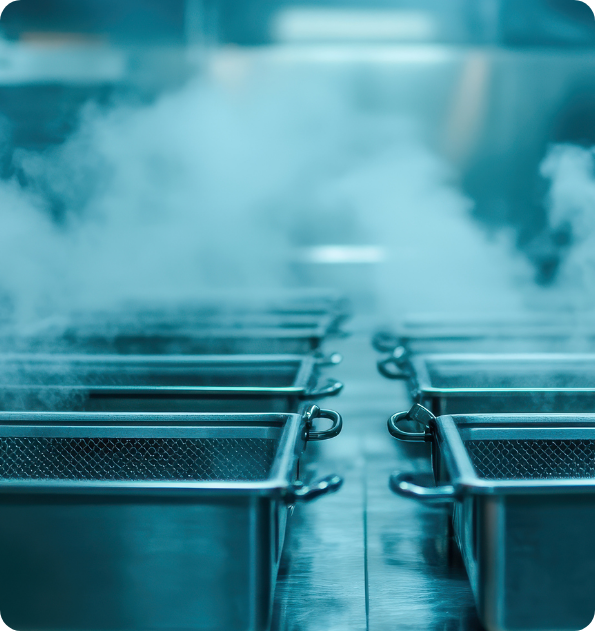
Health and safety regulations require commercial kitchens to maintain clean equipment, including hood filters. Failure to comply can result in fines, penalties, or even forced closure. Regularly cleaning hood filters ensures compliance with fire codes and health regulations, protecting both your business and employees.
Hood filters are a crucial part of a kitchen’s ventilation system. When grease and debris clog the filters, airflow becomes restricted, making the system work harder. This inefficiency leads to increased energy consumption and higher operational costs. Keeping hood filters clean ensures the ventilation system runs efficiently, saving energy and reducing expenses.
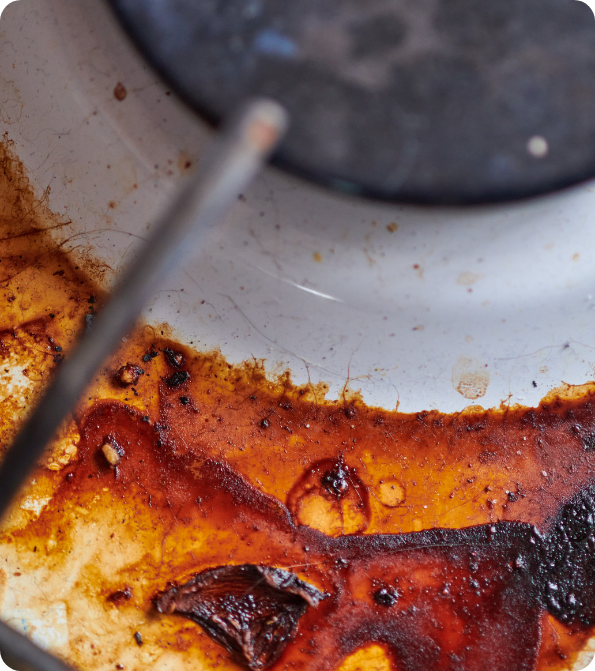
When hood filters are clogged, the exhaust system has to work harder, putting unnecessary strain on the fan and ductwork. Over time, this can lead to equipment failure, requiring costly repairs or replacements. Proper maintenance of hood filters helps extend the lifespan of ventilation equipment, reducing long-term expenses.
Grease and airborne contaminants can settle on food preparation surfaces, utensils, and appliances, increasing the risk of cross-contamination. Clean hood filters prevent grease and debris from recirculating in the kitchen, helping maintain a sanitary cooking environment and ensuring food safety.
Regularly cleaning hood filters is essential for maintaining a safe, efficient, and compliant commercial kitchen. From preventing fires to improving air quality and reducing operational costs, this simple maintenance task has a significant impact. Prioritizing hood filter cleaning will help protect your business, employees, and customers.